
Role-playing games have evolved significantly over the last decade, with Larian Studios leading the charge in defining modern tactical combat and narrative depth. The release of Baldur's Gate 3 set a new industry standard, but its predecessor, Divinity: Original Sin 2, remains a critical benchmark for the genre. Understanding the nuances between these two masterpieces is essential for players seeking the perfect tactical experience. This analysis breaks down the key differences in gameplay, story, and mechanics to help you choose the right adventure.
Core Gameplay Mechanics
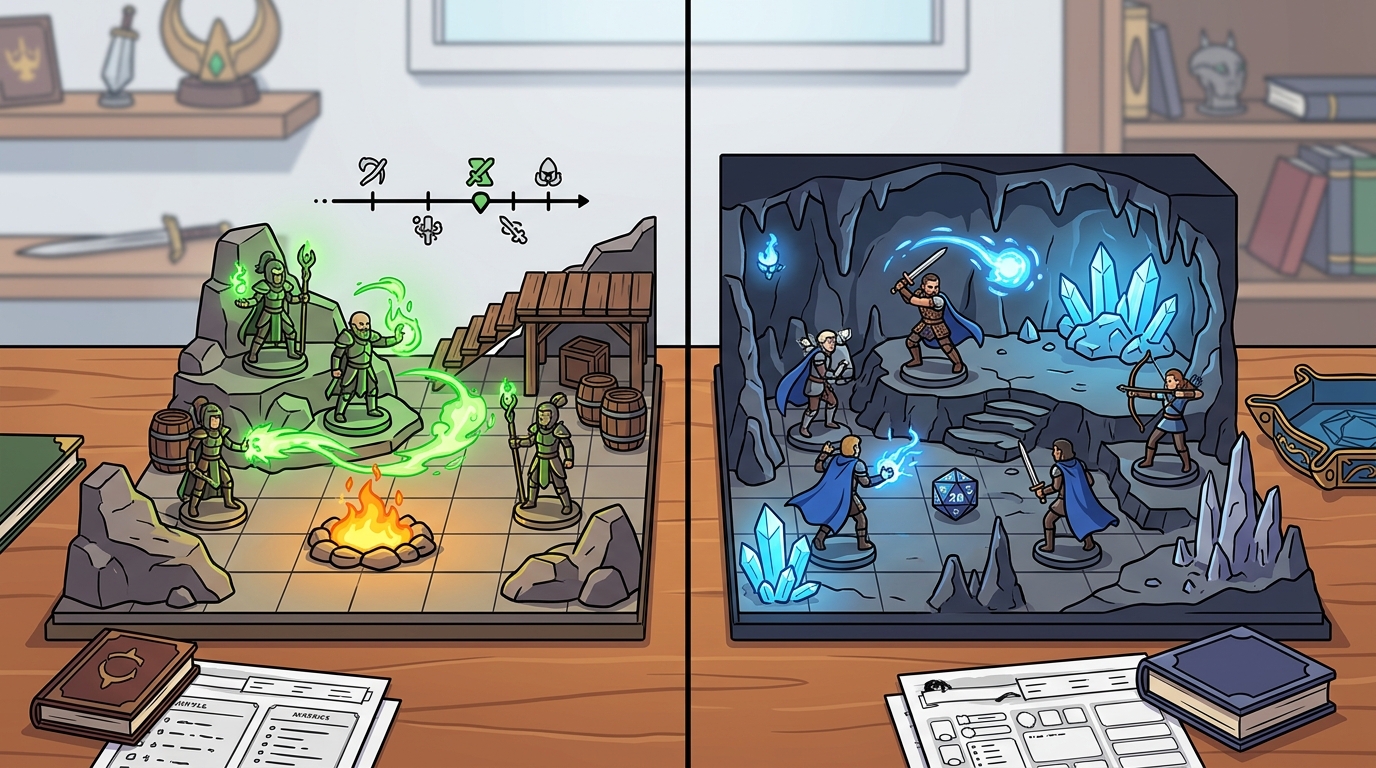
At the heart of both titles lies a deep commitment to player agency. Divinity: Original Sin 2 is a tactical role-playing game that emphasizes environmental interaction and elemental combat. The game allows players to manipulate the battlefield in ways that feel almost physics-based. You can create water puddles to conduct electricity or freeze surfaces to create ice bridges. This level of environmental control is a defining characteristic of the Divinity engine.
In contrast, Baldur's Gate 3 is a narrative-driven RPG based on the Dungeons & Dragons 5th Edition ruleset. The mechanics here are more grounded in traditional tabletop RPG logic. Actions are determined by dice rolls, ability scores, and class features. While the environmental interactions exist, they are often secondary to the strategic use of spells and class abilities. The shift from a custom engine to the Divinity engine's evolution means that BG3 feels more polished but slightly less chaotic than DOS2.
The progression systems also differ significantly. In DOS2, you can mix and match skills freely, allowing for highly customized builds that might not fit traditional classes. BG3 adheres more strictly to class archetypes, providing a structured path for character development. This structure helps new players understand their roles within a party, whereas DOS2 requires more experimentation to find effective combinations. (About)
Narrative and World Building
Storytelling is where both games shine, but they approach it from different angles. Divinity: Original Sin 2 is set in the world of Rivellon, where players take on the role of the Dead God. The narrative is epic in scale, dealing with themes of divinity, fate, and rebellion. The world feels ancient and mystical, with a focus on the supernatural elements of the setting. The companions in DOS2 have distinct arcs that tie into the main plot, but the world itself is the primary antagonist.
Baldur's Gate 3 transports players to the Forgotten Realms, a beloved setting in the Dungeons & Dragons universe. The story begins with a parasitic infection that threatens to consume the minds of the characters. This personal stakes-driven narrative creates a more intimate connection with the protagonists. The world of BG3 is vast and detailed, with a rich history that long-time D&D fans will appreciate. The writing quality in BG3 is often cited as a major improvement, with more nuanced dialogue and character development.
The companion systems in both games are robust, but BG3 takes it further with its romance options and companion quests. Each companion in BG3 has a deeply personal story that unfolds based on your choices. This level of character depth is a significant draw for players who enjoy role-playing and emotional engagement. DOS2 companions are also well-written, but their arcs are more focused on the overarching plot of the Dead God.
Combat Systems Comparison
Combat is the core loop of both games, and the differences here are substantial. Divinity: Original Sin 2 uses a turn-based system that rewards creative use of the environment. The action points system allows for flexible movement and action combinations. Players can knock enemies into water, ignite oil slicks, or use telekinesis to throw objects. This creativity is encouraged and often rewarded with significant tactical advantages.
Baldur's Gate 3 also uses a turn-based system, but it is more rigidly tied to the D&D ruleset. The action economy is more structured, with actions, bonus actions, and reactions clearly defined. This structure can feel more strategic for players familiar with tabletop RPGs. The spellcasting system in BG3 is also more complex, with a wider variety of spells and magical effects. However, DOS2's elemental interactions remain unmatched in terms of sheer creative potential.
The difficulty scaling in both games is handled differently. DOS2 offers a dynamic difficulty adjustment that can sometimes feel inconsistent. BG3 provides more control over difficulty settings, allowing players to tailor the challenge to their skill level. The boss fights in BG3 are often more cinematic and challenging, requiring precise timing and strategy. DOS2 bosses are more about exploiting environmental weaknesses and managing crowd control.
Multiplayer and Co-op Features
Both games support cooperative multiplayer, but the implementation varies. Divinity: Original Sin 2 allows up to four players to join a game via split-screen or online. The split-screen feature is particularly well-implemented, allowing for seamless local co-op. The game also supports drop-in, drop-out multiplayer, making it easy for friends to join in the middle of a session. The shared inventory and loot distribution systems are designed to facilitate cooperative play.
Baldur's Gate 3 also supports four-player co-op, but the split-screen experience is more limited. The game focuses more on online multiplayer, with a robust matchmaking system. The drop-in, drop-out feature is also present, but the complexity of the game can make it harder for new players to join mid-session. The loot distribution in BG3 is more individualized, with each player having their own inventory. This can lead to more competition for resources but also allows for more personalized character builds.
The narrative impact of multiplayer is also different. In DOS2, the story adap to the number of players, with additional dialogue and interactions. BG3 also adap to multiplayer, but the changes are more subtle. The companion quests in BG3 are more complex and can be difficult to complete in a group setting. DOS2's companion quests are more straightforward and easier to manage with multiple players.
Performance and Optimization
Performance is a critical factor in any RPG, especially one with such a large world. Divinity: Original Sin 2 is well-optimized for a wide range of hardware configurations. The game runs smoothly on older machines and offers various graphical settings to adjust performance. The loading times are relatively short, and the game rarely crashes or bugs out. This stability is a testament to the maturity of the Divinity engine at the time of DOS2's release.
Baldur's Gate 3 is a more demanding game, requiring higher-end hardware for optimal performance. The game's graphics are stunning, but they come at a cost. Players with lower-end systems may experience frame drops and longer loading times. Larian has released several patches to improve performance, but the game remains more resource-intensive than DOS2. The ray tracing options in BG3 are impressive but require powerful GPUs to run effectively.
The bug count in both games is notable, but BG3 has faced more scrutiny due to its scale and complexity. DOS2 had its share of bugs at launch, but they were generally less game-breaking. BG3's bugs are often related to the sheer number of variables and interactions in the game. Larian has been proactive in addressing these issues, but some players may still encounter glitches. DOS2's bugs are more often related to environmental interactions and quest triggers.
Key Takeaways
- Gameplay Style: DOS2 emphasizes creative environmental combat, while BG3 focuses on structured D&D rules and narrative depth.
- Narrative Depth: BG3 offers more personalized companion stories and romance options, whereas DOS2 focuses on epic, world-altering themes.
- Combat Complexity: DOS2 allows for more chaotic and creative combat solutions, while BG3 provides a more strategic and rule-based experience.
- Multiplayer Experience: DOS2 has superior split-screen co-op, while BG3 excels in online multiplayer with complex companion quests.
- Performance: DOS2 is more accessible to lower-end hardware, while BG3 requires higher specifications for optimal performance.
- World Building: BG3 is set in the rich Forgotten Realms, appealing to D&D fans, while DOS2 offers a unique, mystical world of Rivellon.
- Character Customization: DOS2 allows for more flexible skill mixing, while BG3 adheres to traditional class archetypes.
Frequently Asked Questions
Is Divinity: Original Sin 2 harder than Baldur's Gate 3?
Difficulty is subjective, but DOS2 can feel more challenging due to its reliance on environmental creativity. BG3 offers more control over difficulty settings, making it easier to tailor the experience to your skill level.
Can I play both games in co-op?
Yes, both games support four-player cooperative play. DOS2 has better split-screen functionality, while BG3 offers a more robust online multiplayer experience.
Which game has better graphics?
Baldur's Gate 3 has more advanced graphics and visual effects, but it also requires more powerful hardware. DOS2 is well-optimized and looks great on a wider range of systems.
Do I need to play Divinity: Original Sin 2 before Baldur's Gate 3?
No, the games are not directly connected in terms of story. However, playing DOS2 can help you understand the mechanics and world-building that BG3 builds upon.
Which game is better for beginners?
Baldur's Gate 3 is often considered more beginner-friendly due to its structured rules and extensive tutorials. DOS2 requires more experimentation and understanding of its complex systems.
Are there romance options in both games?
Yes, both games feature romance options with companions. BG3's romance options are more detailed and integrated into the main story, while DOS2's are more optional and side-focused.
How long does it take to complete each game?
Both games can take 100+ hours to complete fully, depending on your playstyle. BG3 may take longer due to its larger world and more complex quests.
Conclusion
Choosing between Divinity: Original Sin 2 and Baldur's Gate 3 depends on your preferences for gameplay style and narrative depth. If you value creative combat and environmental interaction, DOS2 is the superior choice. If you prefer a structured, narrative-driven experience with deep character development, BG3 is the way to go. Both games are masterpieces in their own right and offer hundreds of hours of engaging content. Visit our services page for more detailed guides and reviews on these and other top RPGs. Start your adventure today by exploring our blog for in-depth analysis and tips.